
A living story of civilization itself. Worthy of a short, stone-carved journey…
Through the centuries, no other material has matched its unique gifts. A stone shaped patiently—cut, carved, polished with skilled tools and hands—until it becomes a work of art. Marble is not only a material. It carries history, endurance, and weight— not just as stone, but as a symbol of time.
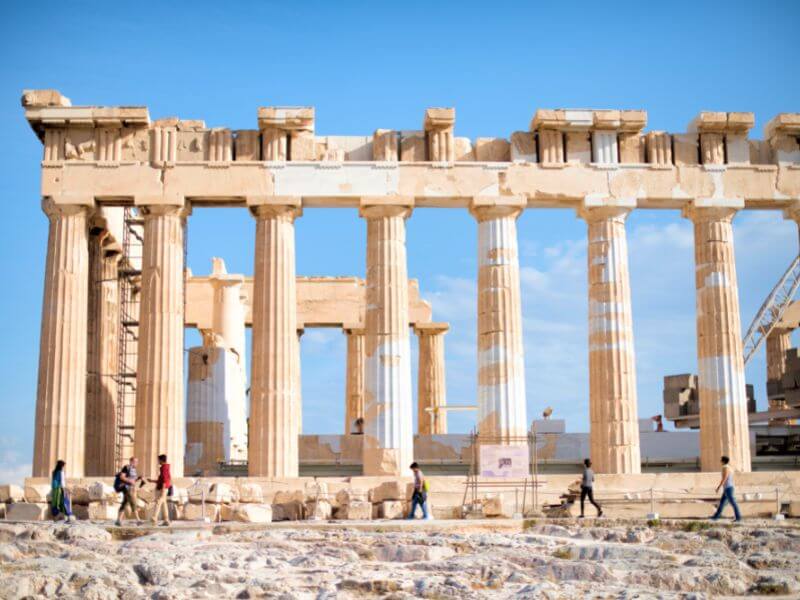
The first monumental Greek marble sculptures appeared around 630 BC. According to Pliny, the Greeks primarily worked with the luminous white marble of Paros — known as lychnites, a stone said to hold its own internal glow. During the Classical period (500–400 BC), marble reached its artistic peak. It was the material behind temples of exceptional grandeur — the Temple of Zeus in Olympia, the Temple of Apollo at Delphi, and later, masterpieces that defined global art history: The Venus de Milo, Praxiteles’ Hermes, and of course, the Acropolis and the Parthenon. Beyond Paros, ancient quarry sites were found across the Aegean — on Naxos, Anafi, Tinos, and Thassos, each island offering marble with its own unique tone, grain and geological spirit.
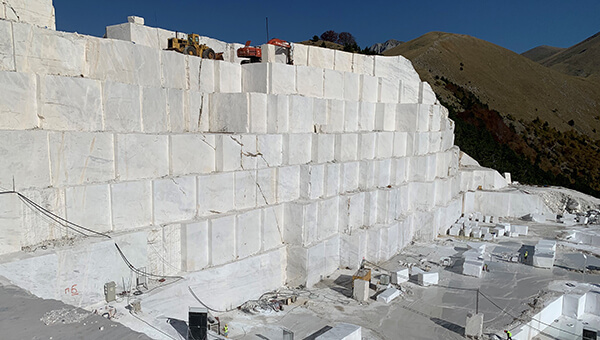
At that time, the extraction of marble was a long and labor-intensive process. Workers first relied on hammers and wedges, and later on pulleys, winches, levers and wooden beams to cut and transport massive blocks. Despite the absence of modern machinery and engineering knowledge, they achieved the impossible: They built the Parthenon, sculpted the Winged Victory of Samothrace, the Venus de Milo, and countless other masterpieces. For the Parthenon, the Ancient Greeks chose Pentelic Marble — one of the most renowned and revered marbles in the world.
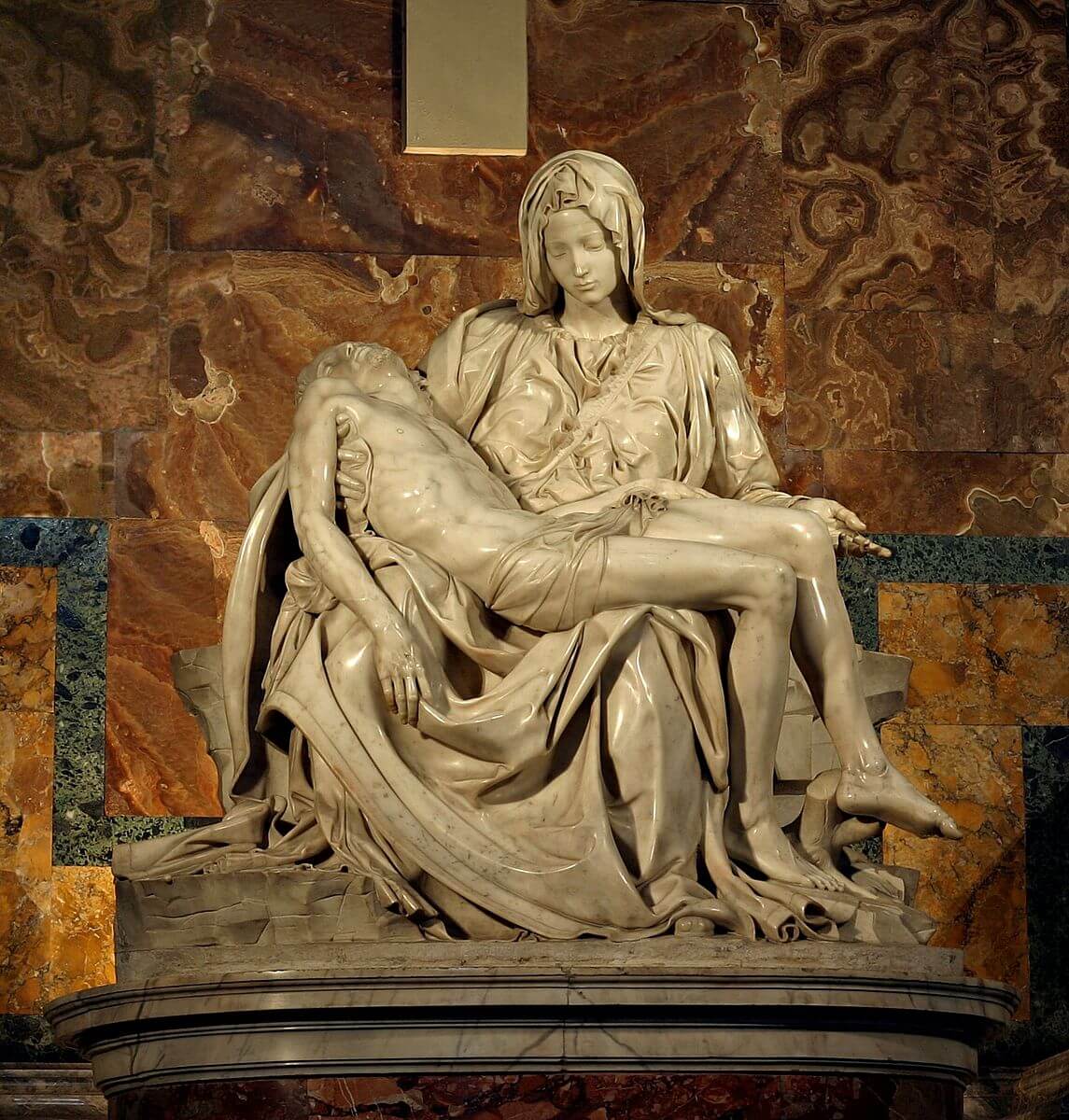
During the Renaissance, marble was used primarily in sculpture. A defining example is the work of Michelangelo, particularly the Pietà — a monumental marble sculpture, also known as the Deposition, and often regarded as one of the greatest masterpieces of Western art. It is housed in St. Peter’s Basilica in Vatican City, and remarkably, it was Michelangelo’s first major work — created when he was just a little over twenty years old. Many other artists chose marble as their medium to bring form, emotion, and humanity to stone. Countless works from that era have survived through centuries, now standing as important pillars of global artistic and cultural heritage.
«"I saw the angel in the marble and carved until I set him free."»
— Michelangelo
The story of marble continued into the modern era, marked by a significant rise in demand and global recognition. This was a period of extensive exports — even across the Atlantic — where marble found remarkable growth and appreciation, becoming a material of choice and prestige. It soon became one of the most influential elements in construction and architecture worldwide — a stone that not only traveled across oceans, but also shaped cities, monuments and modern culture.
Today, marble has become deeply integrated into everyday life, appearing in a wide range of applications: staircases, fireplaces, monuments, statues, flooring, kitchen and bathroom surfaces, architectural features, design objects, and the cladding of landmark buildings.
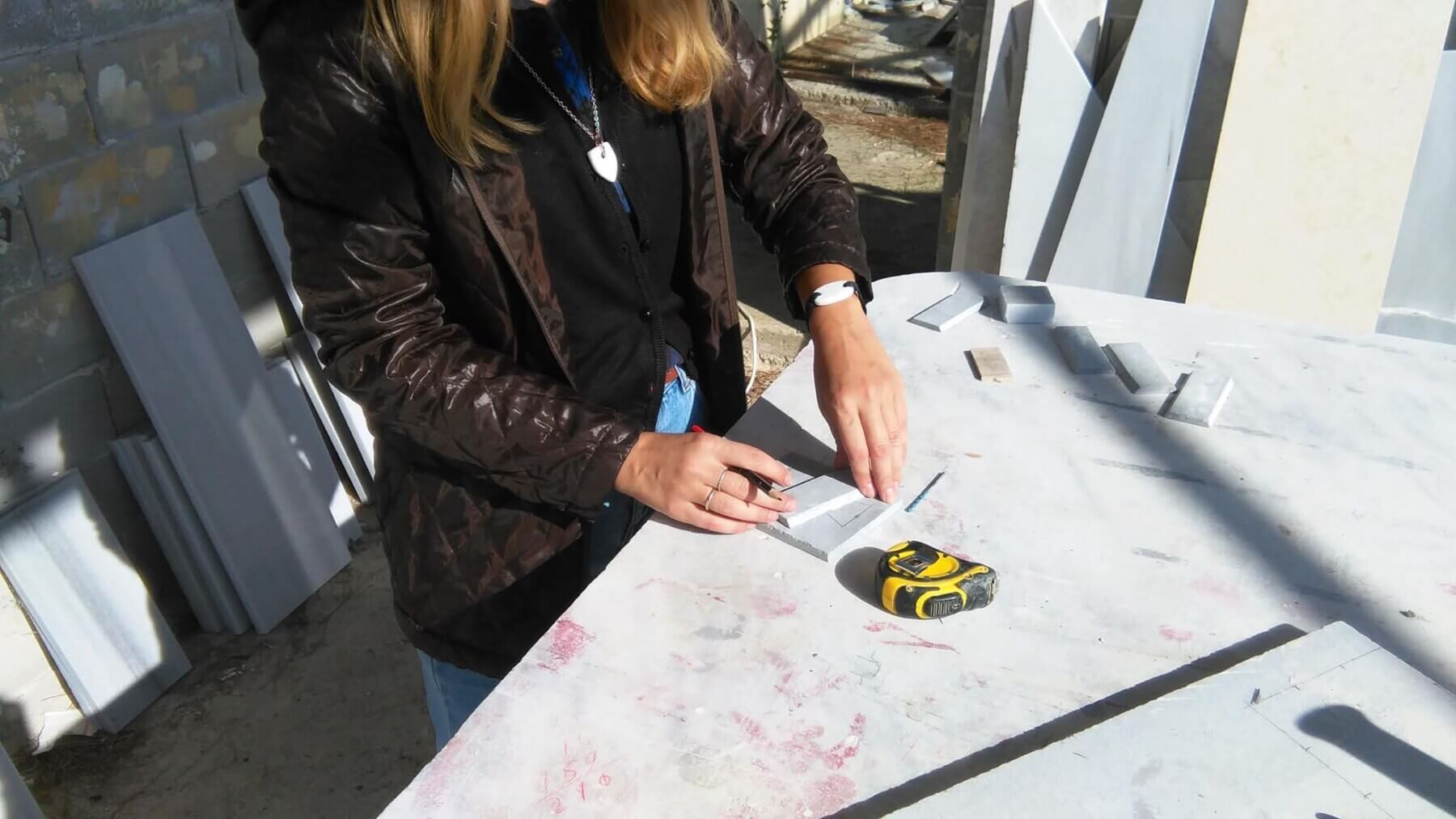
In the last decade, the beauty of marble has evolved into wearable art — jewelry. Fine fragments of high-quality Greek marble are transformed into necklaces, bracelets, rings, and earrings — pieces sculpted by hand and crafted with precision. Original and elegant, handmade Greek marble jewelry has become one of the most distinctive trends of recent years. Each piece is not merely something you wear; it is a small piece of earth — transformed into art.
Sources / References: